31 de agosto de 2026 · Jehan Legac
Why Great Artists Paint the Same Thing Their Whole Lives
Claude Monet painted water lilies over 250 times. Not versions of a theme — the same pond, from roughly the same spot, for nearly three decades. Pablo Picasso painted women his entire life, across every style he ever worked in, from the sharp geometry of Cubism to the loose, urgent brushwork of his final years. Lucian Freud painted his own face again and again for over sixty years, watching himself age in real time on canvas.
None of them ran out of ideas. If anything, the opposite happened.
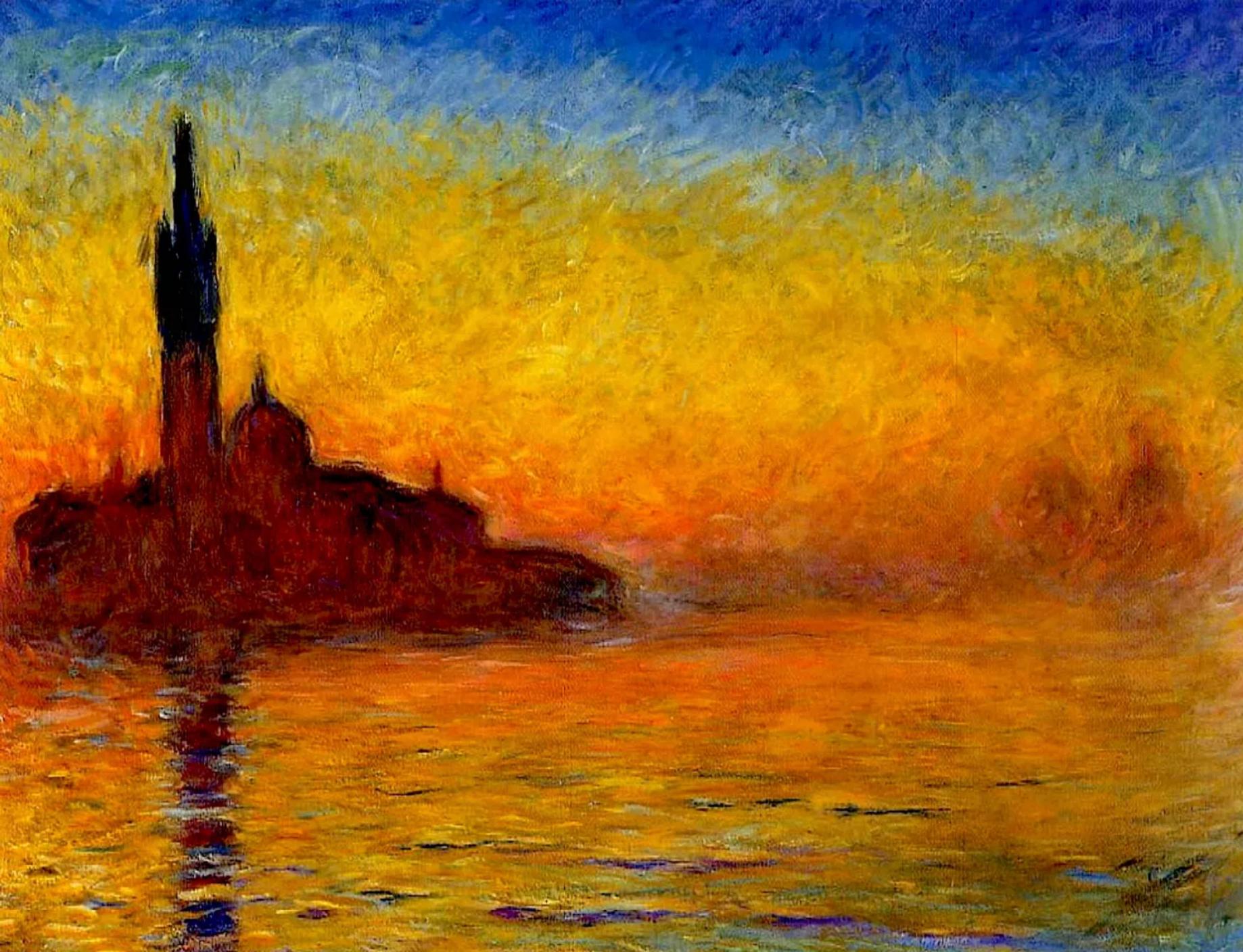
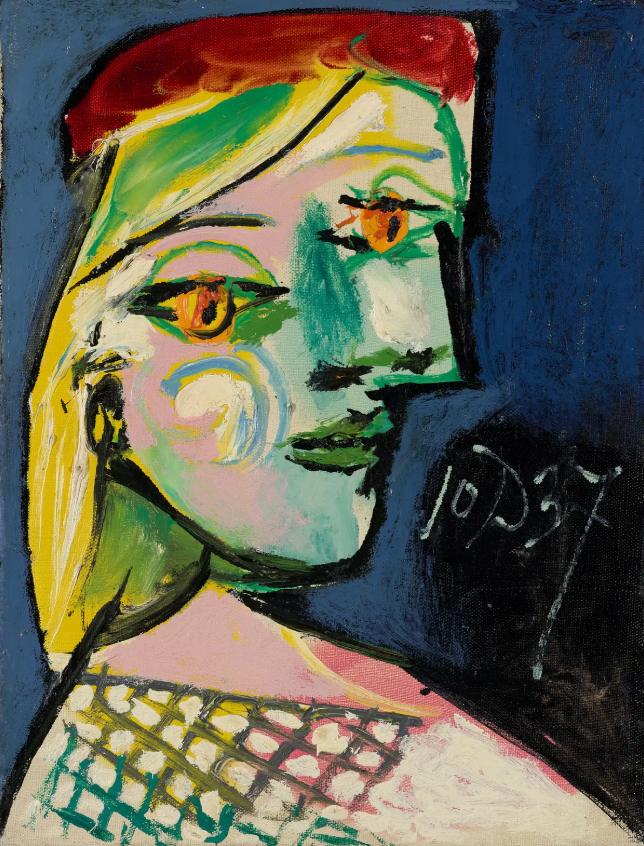
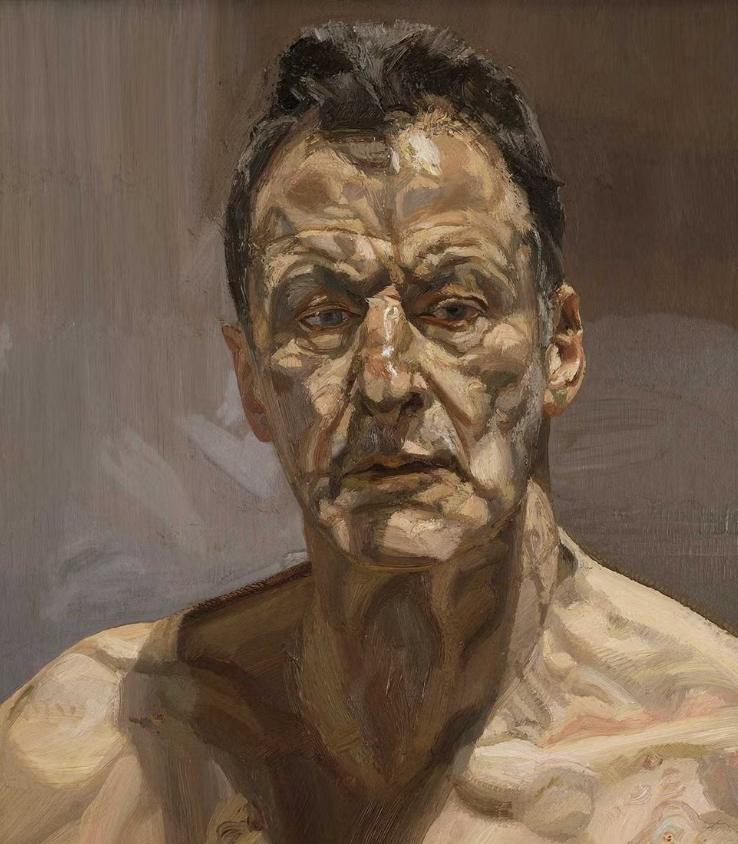
Claude Monet, Water Lilies · Pablo Picasso · Lucian Freud, self-portrait
There’s a temptation to read this kind of repetition as a limitation — as if an artist keeps returning to the same subject because they can’t think of anything else. But spend enough time with these bodies of work and a different explanation starts to emerge: the subject isn’t the point. It’s the constant that lets you measure everything else that’s changing.
Think of it almost like a scientific control. If Monet had painted a different scene every day for thirty years, you’d have thirty years of scenes. Because he painted the same pond, what you actually have is thirty years of light, thirty years of his own eyes, thirty years of how his hand had changed. The pond doesn’t move. Everything around the pond does — the season, the hour, the painter.
That’s the real subject, hiding inside the obvious one.
It also explains something else: why this kind of repetition tends to deepen instead of flatten. A single portrait tells you what someone looked like. Sixty self-portraits, painted over sixty years, tell you what it felt like to keep looking. Freud’s early self-portraits are almost defensive, tightly composed, a young man keeping the viewer at a distance. The late ones are unguarded in a way that has nothing to do with technical skill and everything to do with decades of practice being honest with a mirror.
This isn’t only an artist’s habit, either. Most people do a version of this without noticing. The friend who’s been writing about the same failed relationship for ten years in different disguises. The musician whose songs, across four albums, are all secretly about the same fear. We tend to treat that as being stuck. Sometimes it is. But often it’s the opposite — it’s someone circling a question they haven’t finished answering, using whatever form they have.
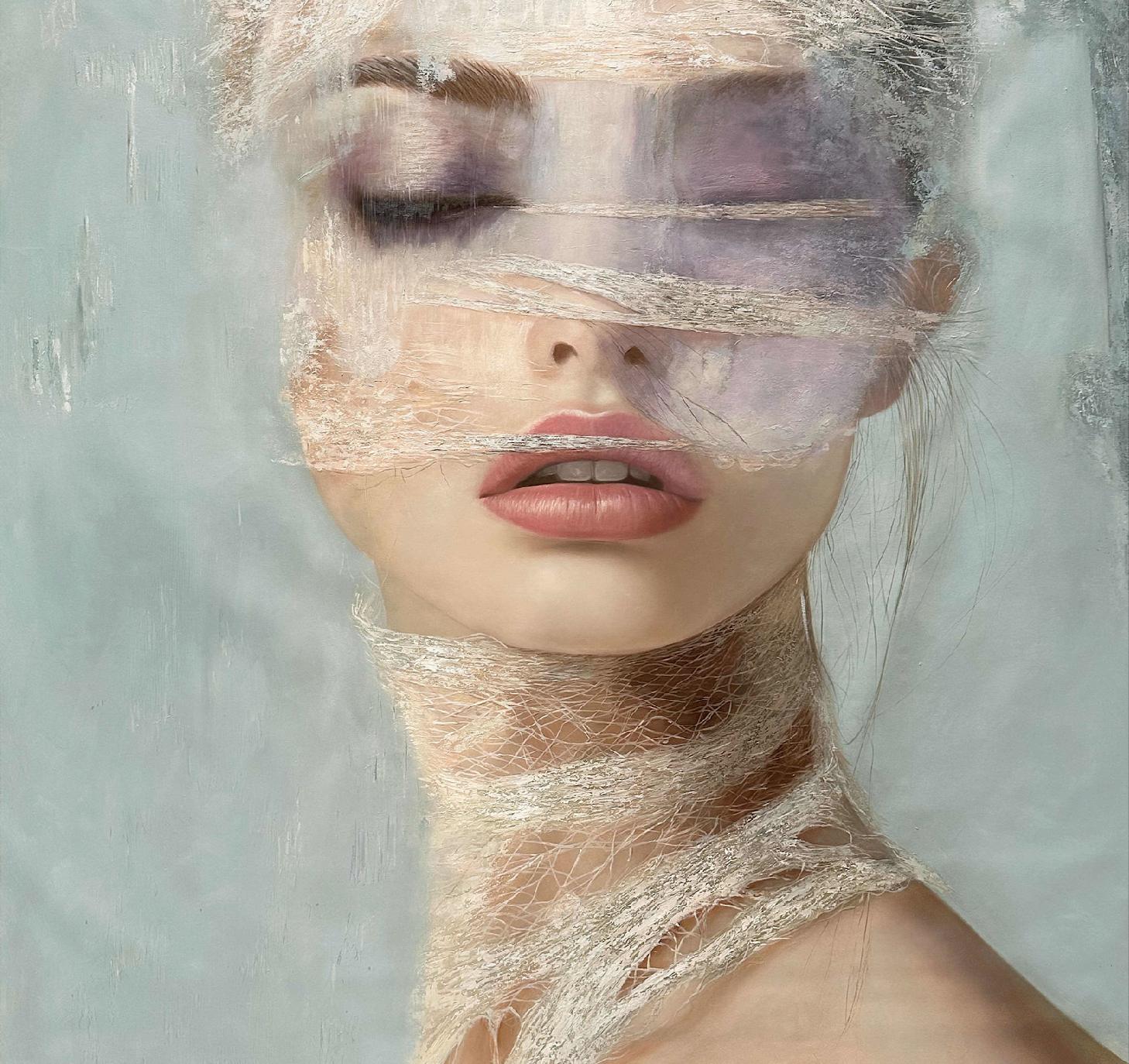
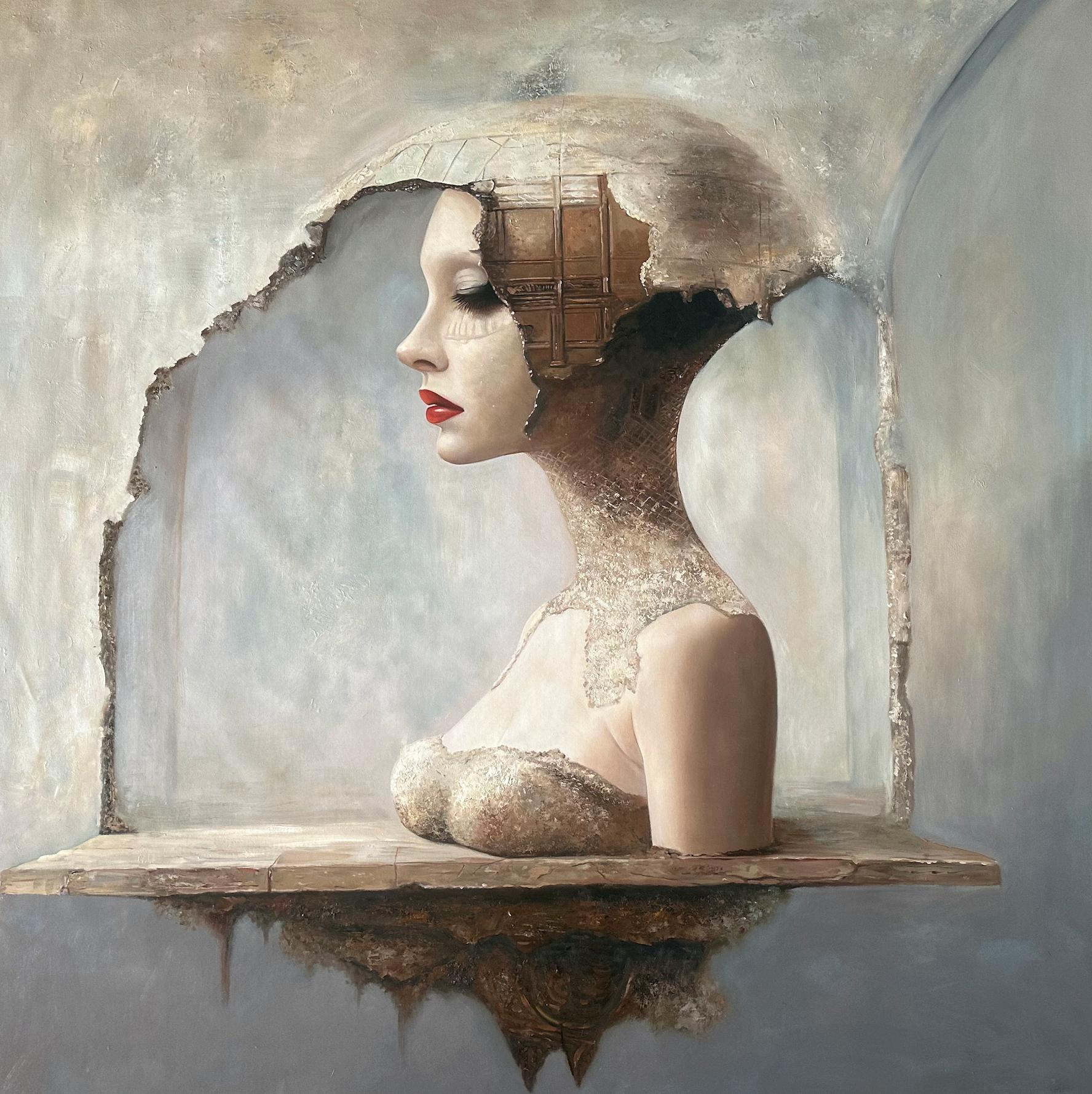
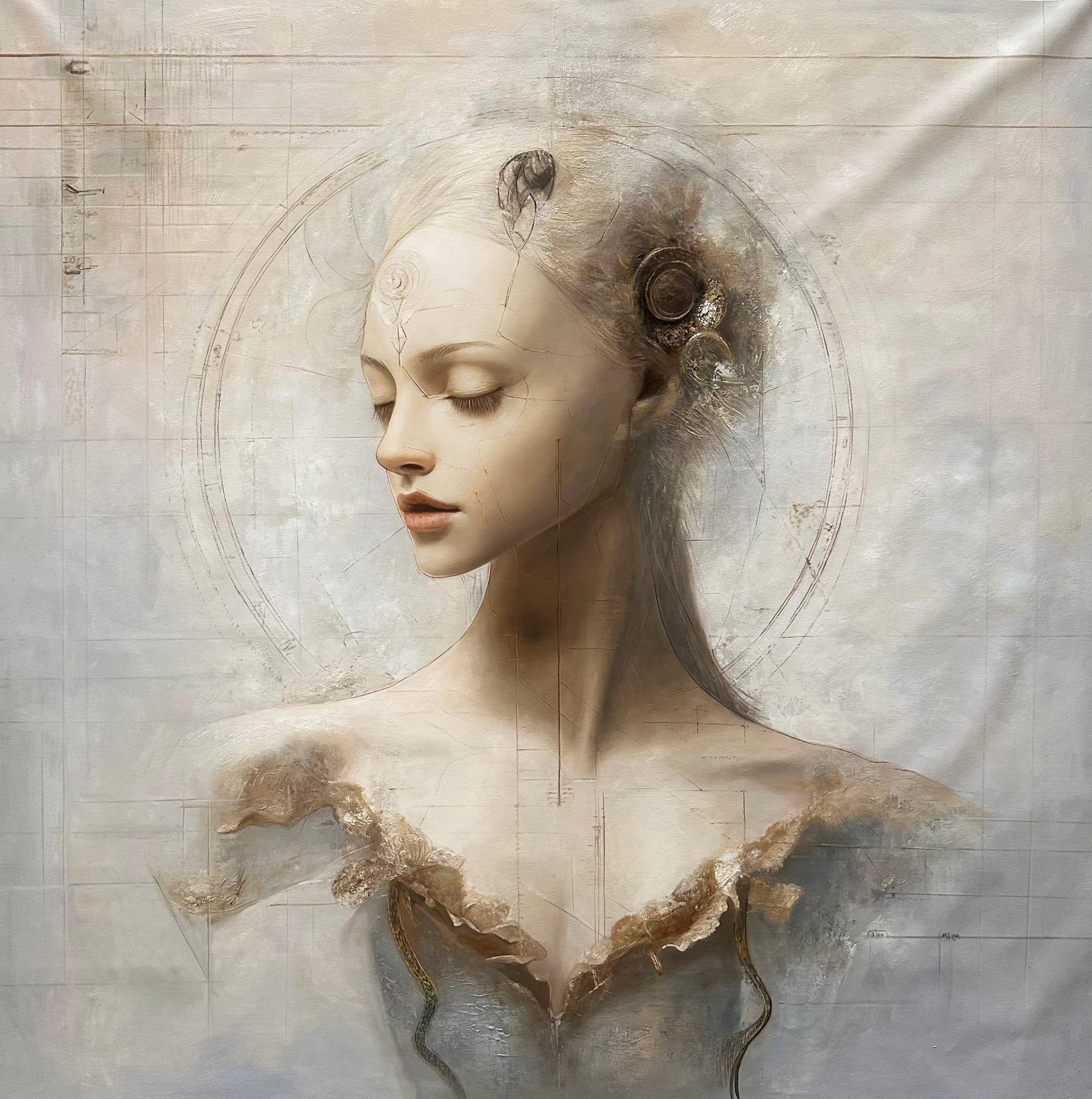
Details from Jehan Legac’s thirty-year series of the same subject.
I think about this a lot in my own studio, because I’ve spent thirty years painting a woman.
Not one particular woman — she’s changed faces, poses, colors, decades. In my twenties she was sharp-edged and mostly silhouette. Later she got heavier in the paint, more color, less line. These days she’s quieter than she used to be, and so am I. I didn’t plan any of that as a project. I just kept returning to her, painting after painting, the way Monet kept returning to his pond.
It’s only looking back at a couple hundred paintings now that I can see what she was actually recording. Not her. Me, over time, using her as the constant so I could see myself change against her.
Maybe that’s the real answer to why great artists paint the same thing their whole lives. It was never really about the subject. It’s about needing something to hold still long enough to watch everything else move.
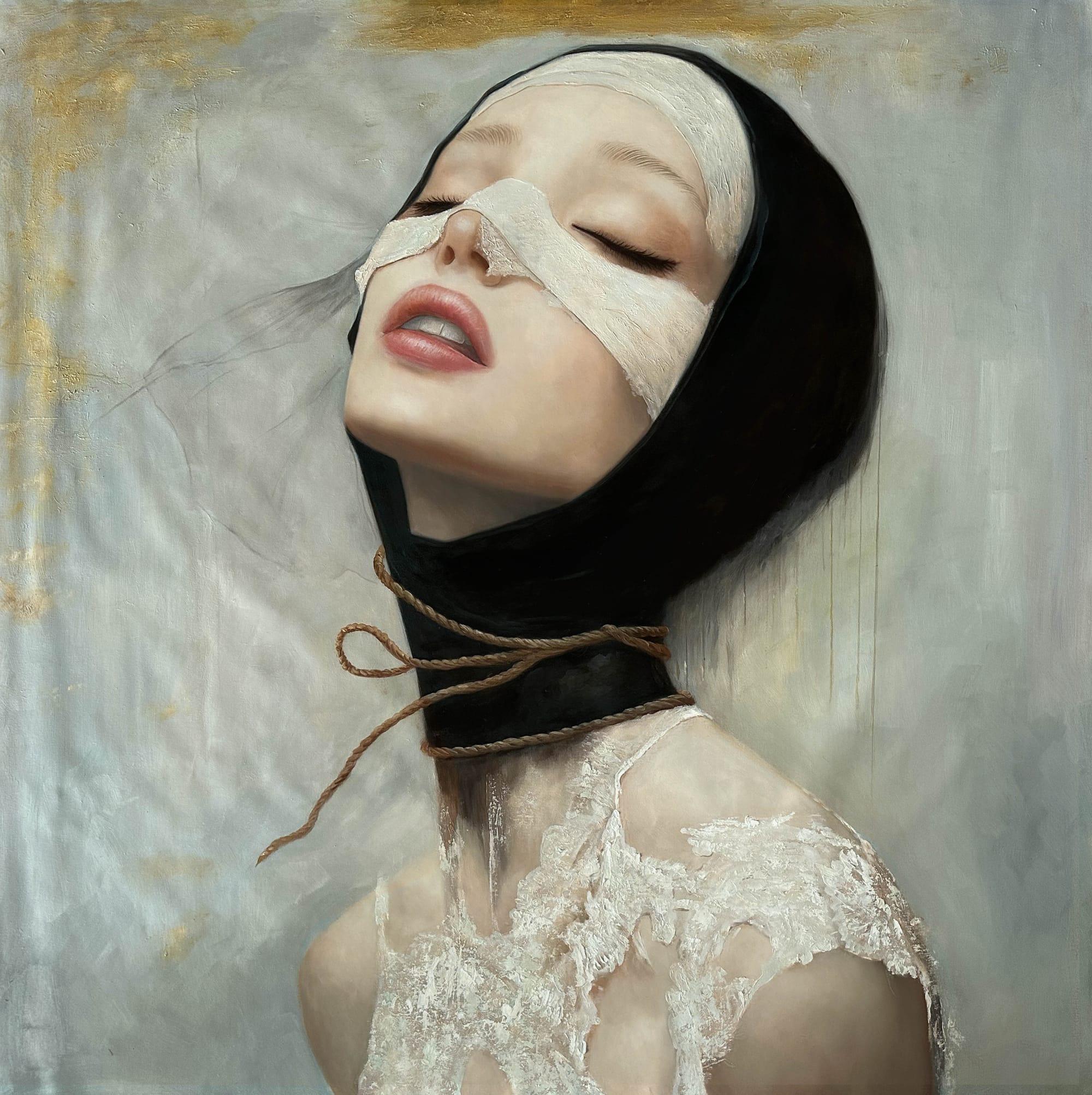
Details from Jehan Legac’s thirty-year series of the same subject.