5 January 2026 · Jehan Legac
Art Fairs as Key Platforms for Contemporary Artists Today
In today’s contemporary art landscape, art fairs continue to play a central role in how artists present their work and connect with the market. While digital platforms have expanded visibility, physical fairs remain key meeting points for artists, galleries, collectors, and art professionals.
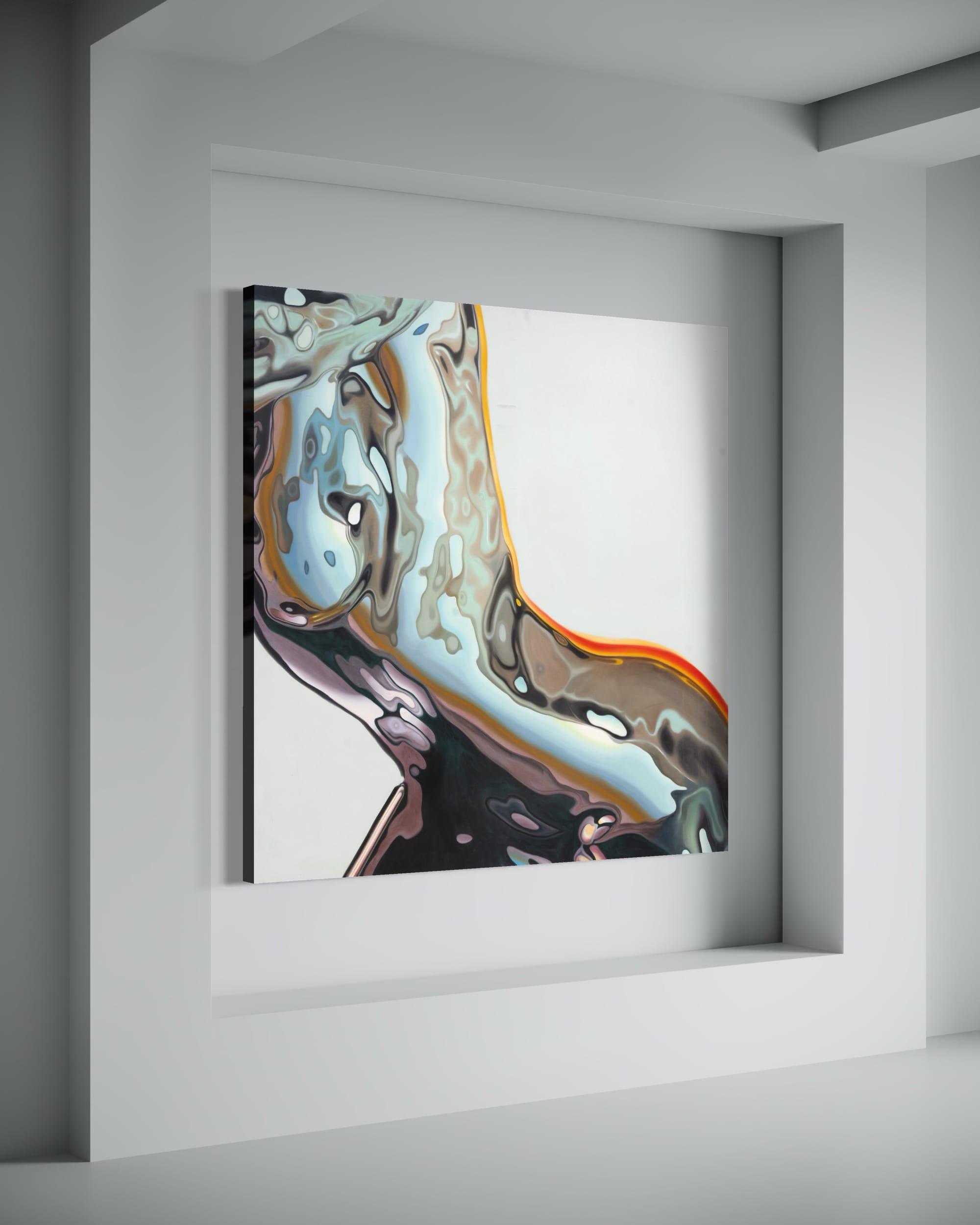
Art fairs bring together a wide range of participants in a short period of time. They offer a structured environment where artworks can be viewed in person, compared across different practices, and discussed within a professional context. For contemporary artists, this setting provides opportunities that are difficult to replicate online.
What art fairs offer today
One of the main functions of an art fair is visibility. Artists and galleries benefit from concentrated exposure to collectors, curators, advisors, and press. Instead of relying on long-term gallery visits or digital discovery, fairs allow audiences to engage directly with the work over a few days.
Art fairs also provide a market-driven framework. Pricing, presentation, and placement are clearly defined, helping collectors make informed decisions. This clarity is particularly relevant in the contemporary art market, where buyers often seek transparency and consistency.
In addition, fairs encourage dialogue between different artistic approaches. Painting, sculpture, photography, and mixed media are often presented side by side, allowing visitors to observe current trends and techniques within a single space.
Relevance in a digital-first era
Despite the growth of online viewing rooms and social media, art fairs remain relevant because they emphasize physical presence. Seeing an artwork in person allows viewers to assess scale, texture, material quality, and technique —elements that are essential when evaluating original works.
In an era marked by image saturation and digital production, fairs offer a pause from screens and a return to direct observation. This has reinforced the value of traditional mediums, such as oil painting, within contemporary exhibitions.
Context within the contemporary market
Many contemporary artists use art fairs as part of a broader visibility strategy. Participation often complements gallery representation, online platforms, and institutional exhibitions. For artists working with traditional techniques, fairs provide a setting where craftsmanship and material execution can be clearly perceived.
Jehan Legac’s participation in international art fairs reflects this professional approach. Presenting original oil paintings in a curated fair environment allows his work to be positioned alongside other contemporary practices while reaching an international audience of collectors and professionals.
Why art fairs continue to matter
Art fairs connect artists and collectors within a professional, international context. They offer visibility, access, and direct engagement with contemporary work.
As the art market evolves, art fairs remain a reliable platform for presentation and exchange.
✧ Visit Jehan Legac’s gallery to view selected oil paintings.